



D Minus Courses in Colleges in Kenya: Opportunities After KCSE
The D minus courses in colleges in Kenya. Every year, thousands of students in Kenya complete the Kenya Certificate of Secondary Education (KCSE) examinations. While some achieve high grades that allow direct entry into universities, others score lower grades, such as D minus (D-). Many students often assume that a D- grade means the end of their academic journey. However, this is not true.
Kenya’s education system has evolved to offer many practical training opportunities for students with lower grades. Technical and vocational institutions across the country provide artisan and certificate courses specifically designed for students who scored D- in KCSE. These programs help learners gain practical skills that can lead to employment, entrepreneurship, or further academic advancement.
This article explores the available D minus courses in colleges in Kenya, entry requirements, career prospects, and why vocational education is becoming an important pathway for many young people. The D Minus Courses in Colleges are available and can help young people achieve their goals.
Understanding D Minus Courses in Kenya
A D- (D-) grade in KCSE does not qualify a student for diploma or degree programs at most institutions. However, it allows entry into artisan-level courses offered by Technical and Vocational Education and Training (TVET) institutions. Artisan courses are practical programs that focus on hands-on training rather than heavy theoretical learning. These courses typically last 6 months to 2 years, depending on the field and institution.
The Kenyan government has invested heavily in TVET institutions to ensure students with lower grades still have opportunities to develop skills and build careers. Many of these colleges are accredited by the Technical and Vocational Education and Training Authority (TVETA), which ensures that training programs meet national standards.
The D Minus Courses in Colleges also provide a progression pathway. After completing an artisan course, students can upgrade to a craft certificate, then to a diploma, and eventually even pursue a degree if they wish. It is therefore not the end of an academic career.
Entry Requirements for D Minus Courses
Although requirements may vary between institutions, most colleges offering artisan courses require the following:
- A KCSE certificate with a mean grade of D minus or above
- Copies of academic certificates and national ID or waiting card
- Passport-size photographs
- Application form from the college
Unlike degree programs that focus heavily on academic performance, TVET programs emphasize skills training and practical experience. In some cases, students may also be required to demonstrate interest in a particular field, especially in technical courses.
Popular D Minus Courses in Kenyan Colleges
Every academic score counts and has significance. Students with a D minus can choose from many training programs across various industries. The most common courses are found in sectors such as engineering trades, hospitality, ICT, and business.
1. Technical and Engineering Artisan Courses
Technical courses are among the most popular options for students with D minus grades because they offer strong employment opportunities. The D Minus Courses in Colleges enable students who want to study technical and engineering artisan courses. Examples include:
- Electrical installation
- Plumbing
- Welding and fabrication
- Motor vehicle mechanics
- Building construction and masonry
These courses equip students with practical skills needed in industries such as construction, automotive services, and electrical installation. Skilled technicians are always in demand across Kenya, especially with the growth of infrastructure projects. Graduates often start their own workshops or work for construction companies, garages, and maintenance firms.
2. Information Technology and Computer Courses
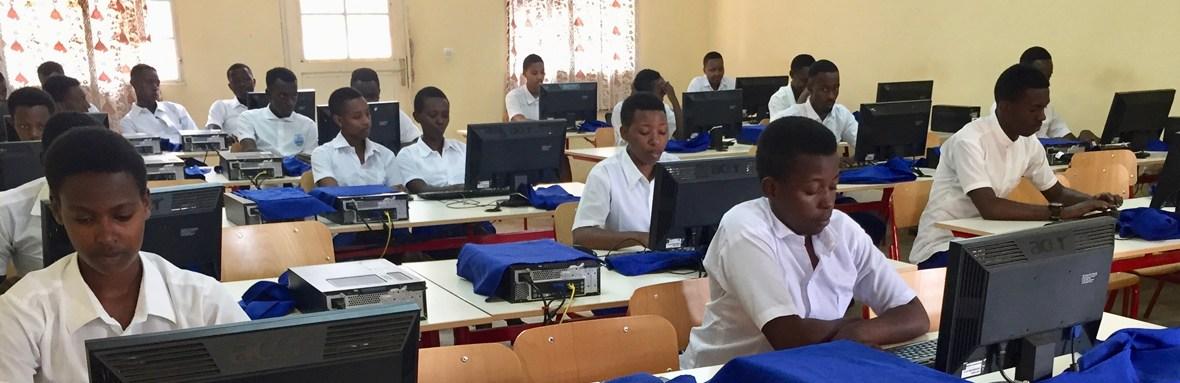
The digital economy continues to grow in Kenya, creating demand for people with computer skills. Even with a D minus grade, students can enroll in entry-level ICT courses such as:
- Basic computer applications
- ICT support and maintenance
- Computer repair and maintenance
- Cyber café operations
- Digital literacy programs
These courses introduce students to computer systems, software applications, and basic networking concepts.
After completing the artisan level, learners can upgrade to certificate and diploma programs in Information Technology, which offer even broader career opportunities.
3. Hospitality and Catering Courses
Kenya’s tourism and hospitality industry provides many employment opportunities. These programs teach cooking skills, hotel management basics, food safety, and customer service. Graduates often work in restaurants, hotels, catering companies, or start small food businesses. Students with a D minus can pursue courses such as:
- Food and beverage production
- Catering and accommodation operations
- Housekeeping and hotel services
- Baking and pastry making
4. Beauty and Fashion Courses
The beauty and fashion industry is another field that welcomes students with lower KCSE grades. Some common programs include:
- Hairdressing and beauty therapy
- Barbering
- Fashion design and tailoring
- Makeup artistry
- Nail technology
These courses focus on creativity and practical skills. Many graduates start their own salons or fashion businesses after completing training. Beauty-related courses are particularly popular because they require relatively low startup capital and have strong demand in urban areas.
5. Business and Office Skills Courses
Students interested in entrepreneurship can pursue business-related courses even with a D minus grade. These programs help students develop essential skills such as bookkeeping, communication, marketing, and customer relations. Many graduates use this knowledge to launch small enterprises or work in retail businesses. Examples include:
- Office assistant training
- Entrepreneurship development
- Sales and customer service
- Small business management
Where to Study D Minus Courses in Kenya
Kenya has a large network of technical institutions offering artisan programs. These include:
- National polytechnics
- Technical training institutes
- Vocational training centers
- Private technical colleges
Government TVET institutions are particularly popular because they offer affordable tuition fees and nationally recognized certificates. These colleges provide training in engineering, hospitality, ICT, agriculture, and business fields. Examples of institutions offering such programs include:
- Kenya Technical Trainers College
- Kisumu National Polytechnic
- Eldoret National Polytechnic
- Mombasa Technical Training Institute
Advantages of Studying D Minus Courses
Choosing an artisan or vocational course after scoring a D minus has several benefits.
1. Practical Skills Development
Unlike many academic programs, TVET courses emphasize practical training. Students spend much of their time in workshops, laboratories, and training facilities. This hands-on approach helps learners develop real-world skills that employers value.
2. Faster Entry into Employment
Most artisan courses take less than two years to complete. This allows students to enter the job market faster compared to university programs that can take four or more years. Many graduates begin working immediately after completing training.
3. Opportunities for Self-Employment
Life on Earth is changing as the world becomes more practically oriented. Vocational skills make it easier for graduates to start their own businesses. Self-employment is particularly important in Kenya, where entrepreneurship plays a major role in economic growth. For example:
- Electricians can start electrical repair services.
- Hairdressers can open salons
- Mechanics can run garages
- Tailors can launch fashion businesses
4. Academic Progression
One of the biggest advantages of TVET education is that students can continue advancing academically. This means a student who started with a D minus can eventually obtain a university degree through gradual academic progression.
A typical progression path looks like this:
Artisan Certificate → Craft Certificate → Diploma → Degree
Career Opportunities After D Minus Courses
Graduates of artisan programs have numerous career options depending on their area of specialization. Many industries in Kenya rely heavily on skilled technicians, making vocational graduates highly valuable. Some possible career paths include:
- Electrician
- Automotive technician
- Plumber
- Chef or cook
- Hotel attendant
- Beauty therapist
- Tailor or fashion designer
- Computer technician
- Small business owner
The Growing Importance of TVET Education
In recent years, the Kenyan government has promoted Technical and Vocational Education and Training (TVET) as a key driver of economic development. TVET programs focus on producing skilled workers who can support industries such as manufacturing, construction, agriculture, and technology. These sectors require technical expertise rather than purely academic knowledge. As a result, vocational training is becoming increasingly respected and recognized as a viable career pathway.
Conclusion on D minus courses in colleges
To conclude, D minus courses in colleges: scoring a D minus in KCSE does not mean the end of educational opportunities in Kenya. Instead, it opens doors to practical training programs offered by TVET institutions across the country. Students with this grade can enroll in various artisan courses in fields such as engineering trades, ICT, hospitality, beauty, and business. These programs provide practical skills, faster employment opportunities, and the possibility of academic progression.
With determination and the right training, students who start with a D minus can still build successful careers and even advance to higher levels of education. Education is not only about grades—it is about skills, passion, and the willingness to keep learning. In Kenya’s evolving education system, vocational training ensures that every student has a chance to succeed.
Application Portal
Recommended Posts
- Navigating Professional Growth: The Ultimate Guide to Apprenticeships and Traineeships in the Euradria Region
- The Google Apprenticeship Salary: What to Expect in 2026 (Realistic Guide)
- The Legal Internships Jobs in South Africa: A Complete Guide for Students and Graduates
- A Youth Internship in New Zealand with WorldStrides: A Complete Guide
- The Chatham House Internship Dates 2026-2027: The Ultimate Application Guide

1 Comment
Pingback: Cheapest Prestigious Universities for Kenyan Students 2026