


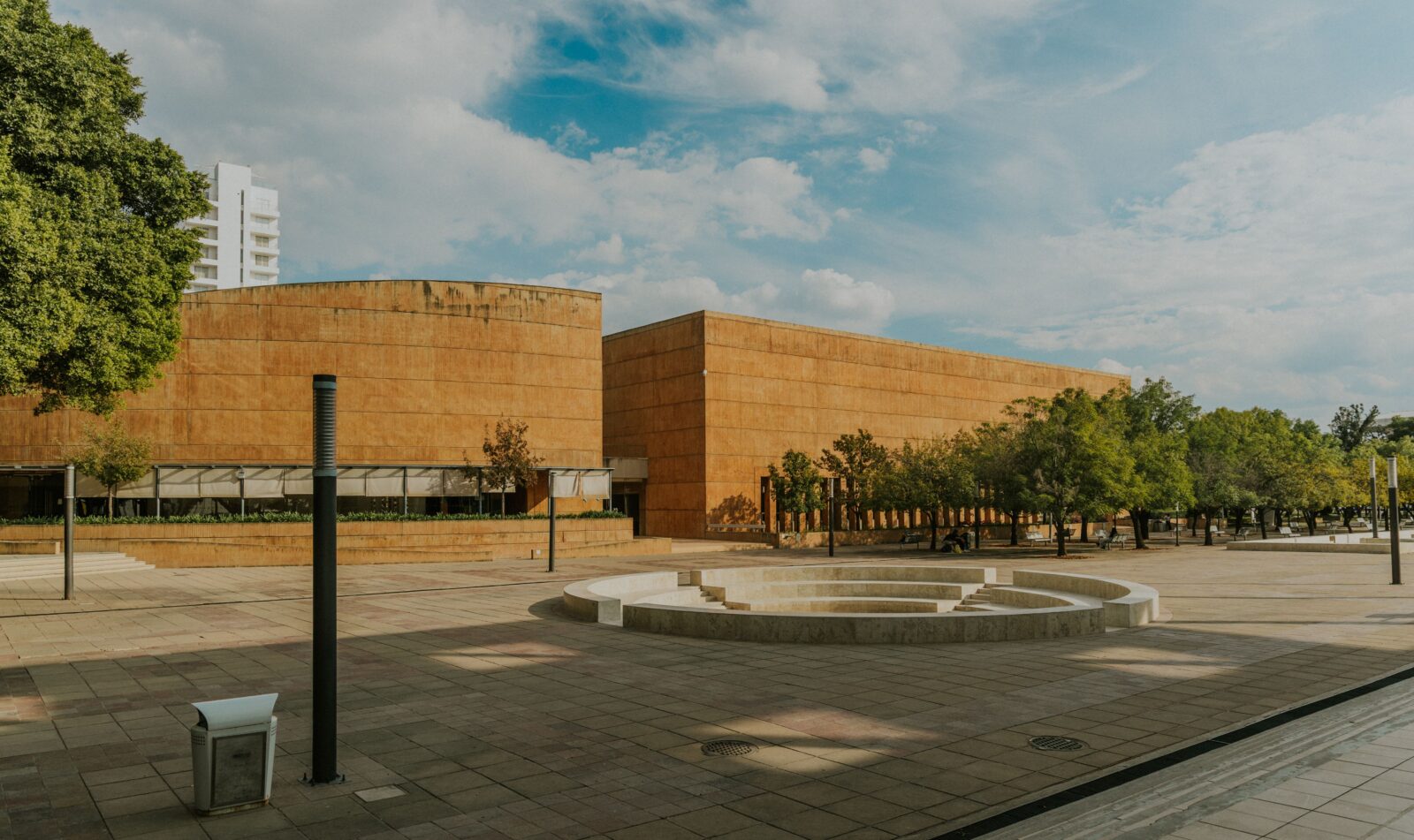
Sol Plaatje University: Courses, Requirements, Applications and Careers
For prospective university students, choosing a university is one of the most important decisions you can make. It is even more important because the choice affects not only what you will study but also your future career options. Sol Plaatje University (SPU) has become an increasingly important option for students looking for public university education in South Africa. It is compelling, especially in fields such as education, data science, information technology, business, humanities, heritage studies, and the natural sciences.
Located in Kimberley in the Northern Cape, Sol Plaatje University is a public university established in 2013. It is particularly significant because it is the Northern Cape’s public higher education institution and provides students with opportunities to study qualifications aligned with both regional and national development priorities.
This comprehensive guide explains Sol Plaatje University courses, admission requirements, faculties, applications, career opportunities and practical considerations prospective students should examine before selecting an SPU programme.
Snopsis of Sol Plaatje University
Here are the most important facts prospective students should know:
- University: Sol Plaatje University (SPU)
- Type: Public university
- Established: 2013
- Location: Kimberley, Northern Cape, South Africa
- Main address: Chapel Street, Kimberley
- Number of faculties: Four
- Major study areas: Education, business and economics, humanities, ICT, data science, agriculture and natural sciences
- Notable niche areas: Data Science, Heritage Studies and Teacher Education
- Student enrolment: 9,031 according to the university’s 2026 fact file
- Staff: Approximately 650 according to the same fact file
- Qualifications: Higher certificates, diplomas, advanced diplomas, bachelor’s degrees, postgraduate diplomas, honours degrees and master’s degrees
- Application method: Online
- 2027 applications: Open, with the university currently indicating a closing date of 31 October 2026
- Official website: Sol Plaatje University official website
According to SPU’s 2026 institutional fact file, applications are distributed across the faculties, with Education accounting for 42%, Natural and Applied Sciences 27%, Humanities 19%, and Economic and Management Sciences 12%.
These figures help prospective students understand both the scale of the university and the relative popularity of its academic areas.
Defining Sol Plaatje University
Sol Plaatje University is a South African public university based in Kimberley. Established in 2013, the institution has developed academic programmes that respond to the educational, technological, economic and social needs of the Northern Cape and South Africa more broadly.
SPU describes itself as a university with particular academic strengths in areas such as:
- Teacher education
- ICT
- Data science
- Heritage studies
- Palaeo-sciences
- Creative writing
- African languages
The university’s 2026 fact file identifies Data Science, Heritage Studies and Teacher Education as its key niche areas. This makes SPU worth considering for students who want to study in specialised areas rather than simply choosing a university based on size or age.
Location of Sol Plaatje University
Sol Plaatje University is located in Kimberley, Northern Cape, South Africa.
Its official physical address is:
Chapel Street
Kimberley
South Africa
The university’s postal address is:
Private Bag X5008
Kimberley
8300
Kimberley’s historical importance also complements some of SPU’s academic interests, particularly heritage, archaeology, history and related humanities disciplines. Students coming from other provinces should consider accommodation, transport and general living costs when preparing their university budget.
Sol Plaatje University Faculties
Sol Plaatje University currently operates through four main faculties:
- Faculty of Economic and Management Sciences
- Faculty of Education
- Faculty of Humanities
- Faculty of Natural and Applied Sciences
Each faculty serves a different group of students and career interests. Understanding these faculties is a good starting point when choosing a programme.
Sol Plaatje University Courses and Academic Programmes
SPU offers programmes ranging from higher certificates and diplomas to undergraduate degrees and postgraduate qualifications. The exact programme catalogue can change between academic years. Students should therefore use the current undergraduate or postgraduate prospectus when making an application.
SPU provides its latest prospectuses through its official website. Below is an overview of major programmes currently associated with the four faculties.
Faculty of Economic and Management Sciences
The Faculty of Economic and Management Sciences is suitable for students interested in business, accounting, economics, management, entrepreneurship, retail and public administration.
Programmes listed by SPU include:
- Diploma in Retail Business Management
- Bachelor of Commerce in Accounting
- Bachelor of Commerce in Economics
- Advanced Diploma in Management
- Postgraduate Diploma in Public Management
- Postgraduate Diploma in Entrepreneurship
- Master of Public Management and Governance
The faculty combines disciplines such as accounting, economics, finance, marketing, business management, entrepreneurship, retailing and public management.
Diploma in Retail Business Management
The Diploma in Retail Business Management is a career-oriented programme designed for students interested in the retail and wholesale industries. Students can develop competencies applicable to businesses such as:
- Supermarkets
- Department stores
- Shopping centres
- Chain stores
- Specialty stores
- Restaurants
- Wholesale businesses
- General retail operations
The programme also emphasises professional communication and the ability to operate independently and as part of a team.
Bachelor of Commerce in Accounting
The BCom in Accounting may appeal to students who enjoy working with financial information, business processes and quantitative analysis.
Potential career directions can include:
- Accounting
- Financial administration
- Auditing-related work
- Taxation
- Business advisory services
- Public-sector finance
- Financial management
Students considering professional accounting careers should also check whether their intended professional designation requires particular accredited programmes, postgraduate studies or examinations.
Bachelor of Commerce in Economics
The BCom in Economics is a three-year programme.
SPU explains that the degree develops economic and quantitative competencies while incorporating technology into the learning process. Graduates are expected to develop capabilities in economic analysis, critical thinking, problem-solving and communication.
These competencies can support careers in both the private and public sectors.
Potential occupations include:
- Economist
- Economic researcher
- Policy analyst
- Market analyst
- Research assistant
- Business analyst
- Development-sector professional
- Public-sector analyst
Some specialised economist positions may require postgraduate qualifications.
Faculty of Education
Education is an important academic area at Sol Plaatje University.
According to the university, its Faculty of Education contains three departments:
- Mathematics, Science and Technology Teaching
- Human Sciences Teaching
- Education Studies
The faculty provides qualifications covering different stages of teacher education and professional development.
Programmes include:
- Bachelor of Education: Foundation Phase
- Bachelor of Education: Intermediate Phase
- Bachelor of Education: Senior Phase and FET Phase
- Bachelor of Education Honours
- Postgraduate Diploma in Mathematics Education
- Advanced Diploma in School Leadership and Management
- Postgraduate Certificate in Education
- Master of Education
Students should verify the exact programme list for their intended academic year because programme availability can change.
Bachelor of Education – Foundation Phase
Foundation Phase education generally prepares teachers to work with younger learners.
This route may be suitable for students who enjoy:
- Working with children
- Literacy development
- Numeracy
- Classroom teaching
- Learning support
- Child development
Students should understand that teaching requires more than academic knowledge. Patience, communication, classroom organisation, professional responsibility and an ability to work with learners from different backgrounds are equally important.
Bachelor of Education – Intermediate Phase
SPU’s BEd Intermediate Phase programme is a four-year qualification.
The university states that applicants must possess a National Senior Certificate and meet a minimum Admissions Points score of 30. English, which is the language of instruction, is subject to a minimum achievement level of 4, or 50%.
Applicants must also meet requirements relevant to the subjects they intend to study, and admission remains dependent on available capacity. The programme prepares students for teaching areas that may include:
- Languages
- Mathematics
- Natural Sciences
- Life Skills
- Social Sciences
Bachelor of Education – Senior Phase and FET
Students interested in teaching older learners can consider the Senior Phase and Further Education and Training route.
Subject areas identified by SPU include:
- Mathematics
- Natural Sciences
- Life Sciences
- Geography
- Technology
- Languages
- History
- Accounting
- Economics and Management Sciences
The programme is four years long. SPU states a minimum APS of 30 and at least Level 4 (50%) in English, while subject-specific requirements and available spaces also affect selection.
Career Opportunities in Education
Depending on the qualification, further training and professional requirements, education graduates may pursue careers such as:
- Primary school teacher
- Secondary school teacher
- FET teacher
- Education administrator
- Curriculum specialist
- Education researcher
- School manager
- Education programme officer
- Training facilitator
Students intending to become professional teachers should also familiarise themselves with applicable South African professional registration requirements.
Faculty of Humanities
Humanities students at Sol Plaatje University can study subjects concerned with society, language, culture, history, heritage and human behaviour.
The faculty lists undergraduate options including:
- Higher Certificate in Court Interpreting
- Higher Certificate in Heritage Studies
- Bachelor of Arts
It also provides postgraduate opportunities in disciplines including archaeology, heritage studies, languages, anthropology, history and sociology.
Higher Certificate in Court Interpreting
Court interpreting is an interesting option for students with strong language abilities. Court interpreters help facilitate communication within judicial proceedings when participants use different languages. Useful abilities for this field include:
- Strong language proficiency
- Careful listening
- Accurate interpretation
- Professional ethics
- Concentration
- Cultural awareness
- Clear communication
Students should not assume that knowing two languages automatically makes someone a professional interpreter. Professional interpreting requires accuracy, neutrality, terminology knowledge and disciplined communication.
Higher Certificate in Heritage Studies
South Africa has an extensive cultural, archaeological and historical heritage sector.
Heritage studies may lead students toward environments such as:
- Museums
- Heritage organisations
- Cultural institutions
- Tourism
- Community heritage projects
- Archives
- Research organisations
Additional qualifications may be necessary for specialised careers.
Bachelor of Arts
SPU’s Bachelor of Arts incorporates disciplines including:
- History
- Archaeology
- Heritage Studies
- Sociology
- Anthropology
- Psychology
Language and communication offerings also include areas such as Afrikaans, English, Setswana, isiXhosa, Sign Language and Creative Writing.
Career Opportunities for Humanities Graduates
SPU identifies possible professional fields for BA graduates including:
- Museums
- Heritage organisations
- Translation and editing
- Teaching
- Communication
- Journalism
- Creative writing
- Media
- Community development
- Tourism
- Diplomatic service
- Research
Career outcomes depend heavily on the student’s subjects, experience and postgraduate specialisation. This is important because a BA should not be viewed as training for only one occupation.
Students can improve employability by combining their degree with practical capabilities such as writing, research, digital communication, data analysis, language proficiency and internships.
Faculty of Natural and Applied Sciences
Students interested in science, technology, agriculture, computing or quantitative subjects should examine SPU’s Faculty of Natural and Applied Sciences.
The faculty includes four broad departmental clusters:
- Biological and Agricultural Sciences
- Computer Science and Information Technology
- Mathematical Sciences
- Physical and Earth Sciences
SPU currently lists programmes including:
- Diploma in ICT – Applications Development
- Diploma in Agriculture
- Advanced Diploma in ICT – Applications Development
- Bachelor of Science
- Bachelor of Environmental Science
- Bachelor of Science in Data Science
- Bachelor of Science – Physical Sciences (Geology)
- BSc Honours in Computer Science
- BSc Honours in Data Science
- BSc Honours in Biological Sciences
- BSc Honours in Mathematical Sciences
- BSc Honours in Physical Sciences
- Master of Science in e-Science
Students should consult the current prospectus for the complete list and programme-specific admission requirements.
Diploma in ICT – Applications Development
The Diploma in Information and Communication Technology in Applications Development is a three-year qualification. It is designed to develop career-oriented ICT knowledge and technical competencies.
Students interested in this programme should ideally enjoy:
- Computers
- Programming
- Logical problem-solving
- Software applications
- Technology
- Continuous learning
Technology changes quickly, meaning successful ICT professionals need to continue learning even after graduation.
Potential career directions can include:
- Software development
- Application development
- Junior programming
- Systems support
- Web development
- IT support
- Software testing
The exact position available to a graduate depends on technical competence, experience and employer requirements.
Bachelor of Science
SPU’s BSc offering provides different scientific pathways.
The Faculty of Natural and Applied Sciences describes specialisations covering:
- Biological Sciences
- Mathematical and Computer Sciences
- Physical Sciences
Within Physical Sciences, areas may include chemistry, geography, geology and physics. For Mathematical and Computer Sciences, disciplines include applied mathematics, computer science, mathematics and statistics.
Bachelor of Science in Data Science
Data science is one of SPU’s explicitly identified niche areas. The field combines quantitative and computing capabilities to extract useful information from data. Students interested in data science should develop strong abilities in:
- Mathematics
- Statistics
- Programming
- Data management
- Analytical thinking
- Problem-solving
- Communication
- Data visualisation
Potential career directions include:
- Data analyst
- Data scientist
- Business intelligence analyst
- Statistical analyst
- Research analyst
- Junior machine-learning roles
- Data consultant
Job titles and qualification expectations differ between employers, and advanced technical positions may require postgraduate study or substantial practical experience.
Diploma in Agriculture
Agriculture remains strategically important to South Africa, particularly in regions where environmental conditions require innovative approaches to food production and resource management.
Possible career environments include:
- Farms
- Agricultural companies
- Agribusiness
- Government departments
- Agricultural projects
- Food-production organisations
- Development agencies
Students interested in agricultural science should examine the exact curriculum and practical components before applying.
Sol Plaatje University Admission Requirements
Admission requirements at SPU differ according to programme. There is therefore no single APS requirement that applies equally to every qualification.
SPU states that its academic admission requirements are based primarily on applicants’ results in the South African National Senior Certificate (NSC) examinations. Applicants who completed a different examination system are considered individually.
General Admission Principles
Applicants should normally consider:
- Their National Senior Certificate results
- Whether they qualify for the appropriate level of study
- Their Admissions Points Score
- Required subjects
- Minimum achievement levels for specific subjects
- English requirements where applicable
- Programme capacity
- Programme-specific selection requirements
Meeting the minimum requirements does not guarantee admission.
SPU explicitly explains that final admission depends on academic performance and the number of spaces available in the programme. The university also notes that stronger results above the minimum requirements improve an applicant’s chances of selection.
That distinction is crucial. A student with exactly the minimum APS should therefore not assume that admission is automatic.
How Does the Sol Plaatje University APS Work?
APS means Admissions Points Score. Universities use an applicant’s school results to calculate a score that helps determine whether the applicant meets the academic threshold for a programme.
However, prospective SPU students should use the university’s current APS calculation and programme requirements rather than relying on calculators or tables published by unrelated websites.
Requirements can change.
The safest approach is:
- Obtain your latest results.
- Open the current SPU undergraduate prospectus.
- Identify your preferred programme.
- Check its minimum APS.
- Check compulsory subjects.
- Compare the required achievement levels with your results.
- Apply even if you are waiting for final results where the application process permits it.
- Continue working to improve your final marks.
SPU provides its admission requirements and current prospectus through the official university website.
Example: BEd Admission Requirements
The BEd programmes demonstrate why applicants need to check requirements programme by programme.
For the Intermediate Phase BEd, SPU lists:
- National Senior Certificate
- Minimum APS of 30
- English at Level 4 (50%) or higher
- Compliance with requirements for relevant teaching subjects
- Availability of space
Similar core conditions apply to the Senior Phase and FET BEd programme. Do not automatically apply the BEd APS requirement to BCom, BSc, BA or diploma programmes. Each qualification should be checked separately.
The Application Procedure to Sol Plaatje University
Applications are completed online. As of August 2026, SPU states that applications for undergraduate and postgraduate study for the 2027 academic year are open until 31 October 2026.
Because application dates can be amended, applicants reading this guide later should confirm the current deadline directly with SPU.
The First Step is to Research the Programmes
Do not start by randomly selecting a qualification.
First determine:
- Which subjects you perform well in
- Which careers interest you
- Which programmes match those careers
- Whether you meet the subject requirements
- Whether your APS is competitive
Then shortlist appropriate SPU programmes.
The Second Step is to Read the Current Prospectus
Use the official undergraduate or postgraduate prospectus. The prospectus provides much more reliable information than social-media posts or outdated university guides.
The Third Step is to Check the Admission Requirements
Before applying, compare your academic results against the requirements for each selected qualification.
Pay particular attention to:
- APS
- Mathematics
- Mathematical Literacy
- English
- Physical Sciences
- Other required school subjects
Requirements vary significantly between programmes.
The Fourth Step is to Prepare Your Information and Documents
Prepare the personal, academic and supporting information required by the application system. The exact documentation can differ according to applicant category.
For this reason, use the application portal’s current instructions rather than an unofficial checklist copied from a previous application cycle.
The Fifth Step is to Submit the Online Application
Access the application process through SPU’s official website.
Sol Plaatje University application information
Complete all required sections carefully.
Do not deliberately provide inaccurate academic or personal information.
The Sixth Step is to Check Your Application
After submitting, retain any application or reference information provided by the system.
Monitor:
- Your email
- The application system
- SPU announcements
Respond promptly if the university requests additional documentation or information.
The Seven Step is to Prepare for Funding and Accommodation
Admission is only one part of university preparation.
Students should also investigate:
- Tuition costs
- Accommodation
- Meals
- Transport
- Books
- Learning materials
- Laptop or technology needs
- Data and internet access
- Funding opportunities
Students who may qualify for NSFAS should separately check the current NSFAS requirements, application process and deadlines.
Sol Plaatje University Academic Programmes at a Glance
The following summary can help students identify the most relevant study area quickly.
| Study Area | Examples of SPU Programmes | Possible Career Areas |
|---|---|---|
| Education | BEd Foundation, Intermediate, Senior/FET | Teaching, education management, training |
| Business | BCom Accounting, BCom Economics | Finance, economics, business, public sector |
| Retail | Diploma in Retail Business Management | Retail management, sales, operations |
| Humanities | BA | Research, communication, heritage, media |
| Heritage | Higher Certificate in Heritage Studies | Museums, heritage organisations, tourism |
| Languages | Court Interpreting, BA language subjects | Interpreting, translation, communication |
| ICT | Diploma/Advanced Diploma in ICT | Software and application development, IT |
| Data Science | BSc Data Science | Data analytics, data science, BI |
| Natural Sciences | BSc | Research, laboratory and science-related fields |
| Agriculture | Diploma in Agriculture | Agriculture, agribusiness, agricultural projects |
Career examples in this table are broad pathways rather than guaranteed employment outcomes. Students should research the professional requirements of their intended occupation.
Postgraduate Programmes at Sol Plaatje University
SPU is not limited to undergraduate education. Its 2026 postgraduate information includes programmes across all four faculties.
Economic and Management Sciences
Postgraduate programmes listed include:
- Postgraduate Diploma in Entrepreneurship
- Postgraduate Diploma in Public Management
- Master of Public Management and Governance
Education
Options include:
- Bachelor of Education Honours in Curriculum Studies
- Postgraduate Diploma in Mathematics Education
- Master of Education
Humanities
Postgraduate opportunities extend across fields including:
- Archaeology
- Heritage Studies
- Afrikaans
- English
- Setswana
- Anthropology
- History
- Sociology
Both honours and master’s opportunities are available in several disciplines.
Natural and Applied Sciences
Postgraduate programmes include:
- BSc Honours in Computer Science
- BSc Honours in Data Science
- BSc Honours in Biological Sciences
- BSc Honours in Mathematical Sciences
- BSc Honours in Physical Sciences
- Master of Science in e-Science
Prospective postgraduate students should check departmental requirements because postgraduate admission normally depends on previous qualifications, academic performance and discipline-specific criteria.
Skills Needed to Succeed at Sol Plaatje University
Admission gets you into university. Your habits and abilities help determine what happens afterwards.
Academic Reading
University courses generally require substantially more independent reading than secondary school.
Students should learn to:
- Identify key arguments
- Take structured notes
- Compare sources
- Distinguish evidence from opinion
- Read academic texts critically
Academic Writing
Students across disciplines need clear writing skills.
Important abilities include:
- Structuring assignments
- Referencing sources
- Paraphrasing correctly
- Developing arguments
- Avoiding plagiarism
- Editing before submission
Time Management
University gives students greater independence, but that also creates responsibility.
A useful weekly schedule should include:
- Lectures
- Tutorials
- Laboratory or practical work
- Reading
- Assignments
- Revision
- Exercise and rest
Waiting until examinations to begin serious study is one of the easiest ways to fall behind.
Digital Skills
Students increasingly need digital competence for:
- Research
- Online learning
- Document preparation
- Presentations
- Data analysis
- Communication
- Learning-management systems
ICT and data science students will naturally need even deeper technical capabilities.
Communication
The ability to explain ideas clearly is useful in almost every profession.
Develop both:
- Written communication
- Verbal communication
Students interested in teaching, business, interpreting, humanities and management should pay particular attention to these skills.
Problem-Solving
Employers increasingly value graduates who can identify problems, analyse information and propose workable solutions. Do not study simply to memorise answers. Ask yourself how concepts can be applied to real problems.
Career Opportunities After Studying at Sol Plaatje University
There is no single “Sol Plaatje University career.”
Career opportunities depend on the programme completed.
Education Graduates
Possible pathways include:
- Teaching
- Education administration
- Curriculum development
- Training
- Education research
- School leadership after appropriate experience and qualifications
Business and Economics Graduates
Possible sectors include:
- Banking
- Financial services
- Government
- Consulting
- Business
- NGOs
- Research organisations
- Development agencies
Humanities Graduates
SPU itself identifies areas including museums, heritage organisations, translation, editing, teaching, communication, journalism, media, community development, tourism and diplomacy.
ICT and Data Graduates
Possible areas include:
- Application development
- Software development
- IT services
- Data analysis
- Business intelligence
- Data science
- Technology consulting
Science Graduates
Depending on specialisation and further study, career environments may include:
- Laboratories
- Research institutions
- Environmental organisations
- Government
- Science education
- Technology
- Data-related work
Many scientific careers become more specialised at honours, master’s or doctoral level.
The Reasons to Choose Sol Plaatje University
There are several reasons students may place SPU on their university shortlist.
1. It Is a Public University
SPU forms part of South Africa’s public higher education landscape.
This is important when evaluating the legitimacy and standing of an institution.
2. It Offers Distinctive Academic Areas
SPU has deliberately developed niche strengths, including:
- Data Science
- Heritage Studies
- Teacher Education
These areas are officially highlighted by the university.
3. It Offers Multiple Qualification Levels
Students can find:
- Higher certificates
- Diplomas
- Advanced diplomas
- Bachelor’s degrees
- Postgraduate diplomas
- Honours degrees
- Master’s degrees
This provides several possible academic progression routes.
4. Kimberley Provides a Distinctive Setting
SPU’s location can be especially relevant for students interested in heritage, history, archaeology, environmental issues and regional development. At the same time, students moving to Kimberley should carefully plan accommodation and living expenses.
Expert Tips for Choosing a Programme at Sol Plaatje University
Choose a Career Direction Before Choosing a Degree
Start with the career question.
Ask:
“What type of work would I like to be doing five to ten years from now?”
Then work backwards to determine which qualification can take you there.
Look Beyond the Programme Name
Two qualifications with attractive names may lead to very different curricula.
Study:
- Modules
- Majors
- Electives
- Practical components
- Duration
- Further-study options
This gives you a more realistic understanding of what you will actually study.
Treat Minimum APS as a Threshold, Not a Target
If a programme requires a certain minimum APS, aim above it. SPU explicitly warns that meeting minimum requirements does not guarantee selection because academic performance and available space influence admission.
Match Your School Subjects to Your Programme
A student who wants a quantitative degree should pay close attention to mathematics and other relevant subject requirements. Likewise, prospective teachers need to consider the subjects they want to teach.
Develop Employability While Studying
Do not wait until graduation to think about employment. Build experience through appropriate:
- Internships
- Vacation work
- Student societies
- Volunteering
- Research projects
- Digital portfolios
- Industry certifications
- Part-time work
A degree provides academic preparation, but demonstrable skills and experience can strengthen a graduate’s employment prospects.
Common Mistakes to Avoid When Applying to Sol Plaatje University
Applying Without Checking Requirements
Do not select programmes simply because their names sound interesting.
Check APS and subject requirements first.
Assuming Minimum Requirements Guarantee Admission
They do not. SPU explicitly states that meeting minimum admission requirements does not automatically result in admission.
Using Outdated Information
An old prospectus may contain programmes, requirements or dates that have changed. Always check the current application cycle.
Waiting Until the Closing Date
Last-minute applications create unnecessary risk. Technical problems, missing information or uncertainty about programme selection become much harder to resolve when deadlines are approaching.
Choosing a Degree Only Because Friends Chose It
Your friend’s strengths and career plans may be completely different from yours.
Choose according to:
- Your academic strengths
- Your interests
- Career opportunities
- Entry requirements
- Financial circumstances
- Long-term goals
Ignoring the Cost of University Life
Tuition is not the only expense.
Budget for accommodation, meals, transport, books, technology and personal costs.
Ignoring Postgraduate Requirements
Some careers require advanced study. Research the complete qualification pathway before beginning your undergraduate degree.
Frequently Asked Questions About Sol Plaatje University
Is Sol Plaatje University a public university?
Yes. Sol Plaatje University is a public university in South Africa. It was established in 2013 and is located in Kimberley in the Northern Cape.
Where is Sol Plaatje University located?
Sol Plaatje University is located in Kimberley, Northern Cape, South Africa. Its official physical address is Chapel Street, Kimberley.
What courses does Sol Plaatje University offer?
SPU offers programmes across Education, Economic and Management Sciences, Humanities, and Natural and Applied Sciences.
Examples include BEd degrees, BCom Accounting, BCom Economics, Bachelor of Arts, BSc, BSc Data Science, ICT qualifications, Agriculture, Retail Business Management, Court Interpreting and Heritage Studies. Programme availability should always be confirmed in the current prospectus.
What APS score do you need for Sol Plaatje University?
There is no single APS score for every SPU programme. Requirements depend on the qualification.
For example, SPU lists a minimum APS of 30 for the BEd Intermediate Phase and Senior Phase/FET programmes, together with additional requirements. Applicants should check the exact requirements of their chosen programme.
Is meeting the minimum SPU requirements enough to guarantee admission?
No. SPU states that satisfying the minimum requirements does not guarantee admission. Final selection considers academic performance and available programme capacity. Applicants performing above the minimum requirements generally have a better chance of admission.
How do I apply to Sol Plaatje University?
Applications are made through the university’s online application process. Applicants should first select a programme, verify admission requirements, prepare the necessary information and documents, complete the online application and then monitor their application communications.
Apply to study at Sol Plaatje University
Are Sol Plaatje University applications open for 2027?
Yes. As of August 2026, SPU states that undergraduate and postgraduate applications for the 2027 academic year are open until 31 October 2026. Applicants should apply early and recheck the official application page for any changes to deadlines.
Final Thoughts on Sol Plaatje University
Sol Plaatje University has developed into an important part of South Africa’s public higher education system, offering programmes across four faculties from its base in Kimberley. Its academic portfolio is particularly notable for areas such as teacher education, data science, ICT, heritage studies, humanities, business, economics, agriculture and the natural sciences.
For prospective students, however, the most important decision is not simply whether Sol Plaatje University is a good university. The better question is whether a particular SPU programme matches your academic results, abilities, interests and long-term career plans.
Start by studying the current prospectus. Check your APS and required school subjects carefully, compare several programmes and research the careers associated with each qualification. Most importantly, do not confuse minimum admission requirements with guaranteed acceptance. SPU makes clear that academic performance and available programme capacity influence final selection.
Students applying for the 2027 academic year should also take note that SPU currently lists 31 October 2026 as the application closing date for undergraduate and postgraduate applications.
Applying early, choosing programmes carefully and relying on current information from the university itself will give prospective students a much stronger foundation for making an informed decision about studying at Sol Plaatje University.
YOU MAY ALSO LIKE THIS:
 Study at the Durban University of Technology in 2026: Practical Courses for Real Careers
 KCA University: Courses, Entry Requirements, Admissions and Career Opportunities in Kenya
 MTN Nigeria Communications Plc: Careers, Requirements, Salary & How to Apply (2026 Guide)
 The FirstRand Careers 2026: Complete Guide to Jobs, Requirements & How to Apply in South Africa
